2026
- 81
- 0
Many people focus entirely on their workouts while overlooking one of the most important parts of progress – recovery. The truth is that muscles do not grow during the workout itself. They recover and adapt afterward. If your body does not receive enough time, nutrients, and proper care for recovery, results can slow down and the risk of fatigue, decreased performance, and even injuries can increase.
Whether your goal is building muscle, losing body fat, or improving athletic performance, quality recovery should be a priority. The good news is that you do not need complicated methods or expensive treatments. In many cases, it is the basic habits that make the biggest difference.
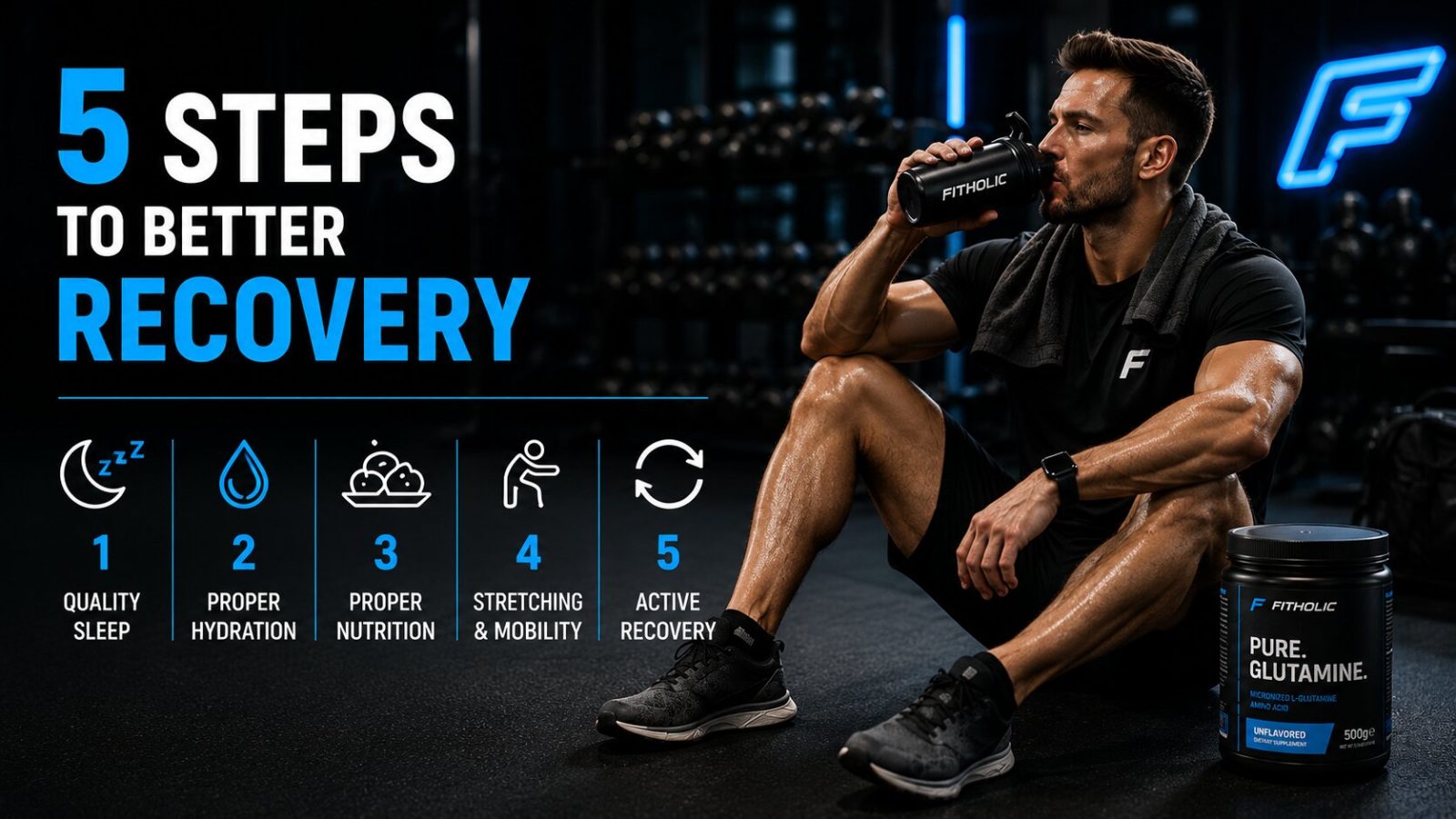
Here are the five most important steps for better recovery after training.
1. Get quality sleep
Sleep is perhaps the most underestimated factor in recovery. During deep sleep, the body activates processes related to muscle repair, protein synthesis, and the production of important hormones such as growth hormone and testosterone.
Lack of sufficient sleep can lead to:
- slower recovery;
- reduced strength and endurance;
- increased fatigue;
- slower muscle growth;
- higher stress and cortisol levels.
For most active individuals, 7–9 hours of quality sleep is considered the optimal minimum. Both the quantity and quality of sleep matter. Try to maintain a consistent sleep schedule, reduce blue light exposure in the evening, and avoid heavy meals right before bedtime.
If your training is intense and frequent, sleep can be the difference between progress and stagnation.
2. Stay properly hydrated
During exercise, the body loses water and electrolytes through sweat. Even mild dehydration can negatively affect recovery, energy levels, and athletic performance.
Water is involved in nearly every process within the body, including:
- nutrient transportation;
- muscle function;
- temperature regulation;
- cellular recovery;
- removal of metabolic waste products.
Many people only drink water during their workouts, but proper hydration starts before training and continues throughout the day.
Good hydration habits include:
- starting the day with a glass of water;
- drinking fluids regularly;
- increasing fluid intake during hot weather or intense training;
- using electrolytes during prolonged exercise sessions.
If you frequently experience fatigue, muscle cramps, or headaches after training, inadequate hydration may be one of the causes.
3. Eat properly after training
Post-workout nutrition plays a key role in restoring muscle tissue and replenishing energy stores. After physical activity, the body needs quality nutrients to begin the recovery process.
Particularly important are:
- protein – for muscle repair and growth;
- carbohydrates – for replenishing glycogen stores;
- healthy fats – for hormonal balance and overall health.
Many active individuals use protein powder after training because it is a convenient and efficient way to consume high-quality protein. This can be especially useful when you have a busy schedule or cannot prepare a complete meal immediately after your workout.
However, it is important to remember that dietary supplements do not replace a balanced diet. They are intended to complement a well-structured nutrition plan.
After training, aim to include a combination of:
- a high-quality protein source;
- complex carbohydrates;
- adequate fluid intake;
- micronutrients from whole foods.
4. Do not skip stretching and mobility work
After an intense workout, muscles often feel tight and fatigued. This is where mobility exercises and stretching can help support recovery and reduce stiffness.
Light stretching after training can improve:
- mobility;
- circulation;
- muscle comfort;
- reduced tension;
- better posture and movement quality.
You do not need to spend hours stretching. Even five to ten minutes after a workout can be beneficial. Focus on the primary muscle groups that were trained.
Many athletes also incorporate mobility drills, foam rolling, or light active recovery sessions on rest days. These practices often improve overall comfort and support long-term performance.
5. Make time for active recovery
Many people believe that more training always leads to better results. In reality, insufficient recovery can have the opposite effect.
The body needs time to adapt to training stress. Constantly pushing yourself to the limit without adequate recovery increases the risk of:
- overtraining;
- loss of strength;
- decreased motivation;
- poor sleep quality;
- injuries and burnout.
Active recovery is an excellent option between demanding training sessions. This may include:
- walking;
- light cardio;
- yoga;
- mobility work;
- swimming;
- low-intensity physical activity.
This allows you to stay active without placing unnecessary stress on the body.
Conclusion
Recovery is not simply an addition to your training program – it is a fundamental part of progress. Without quality sleep, proper hydration, balanced nutrition, mobility work, and sufficient rest, even the best training plan will not deliver maximum results.
In many cases, it is the small daily habits that make the biggest difference over time. When you begin paying attention not only to your workouts but also to your recovery, you will experience more energy, better performance, and more consistent progress.
Your body develops not only when you challenge it, but also when you allow it to recover properly.